- All
- Product Name
- Product Keyword
- Product Model
- Product Summary
- Product Description
- Multi Field Search
Views: 0 Author: Site Editor Publish Time: 2025-10-31 Origin: Site
You need steady power for your electric vehicle to work well. If voltage or current changes suddenly, your EV can have battery problems. It may also have reliability issues. Research shows that changes in voltage and current can hurt the grid. These changes can also damage important parts of your vehicle. Improper harmonics can cause these problems. Dc link capacitors help by keeping power steady. CRE makes advanced solutions with strong capacitor technology. These solutions help your EV stay reliable and efficient.
DC link capacitors help keep voltage steady in electric vehicles. This stops battery problems and makes the car more reliable. These capacitors take in ripple currents. This helps protect batteries and makes the car work better. Picking the right DC link capacitor means checking voltage ratings. You also need to check current capacity and temperature ranges. This helps the car work its best. Low ESR in capacitors makes less heat. This gives better efficiency and helps EV parts last longer. Using new capacitor technology can make power more stable. This makes your electric vehicle safer and more efficient.
You might ask what a dc-link capacitor does in your electric vehicle. A dc-link capacitor can store energy and release it very fast. It sits between the power source and the load as a buffer. This helps your EV keep running well, even if power needs change quickly.
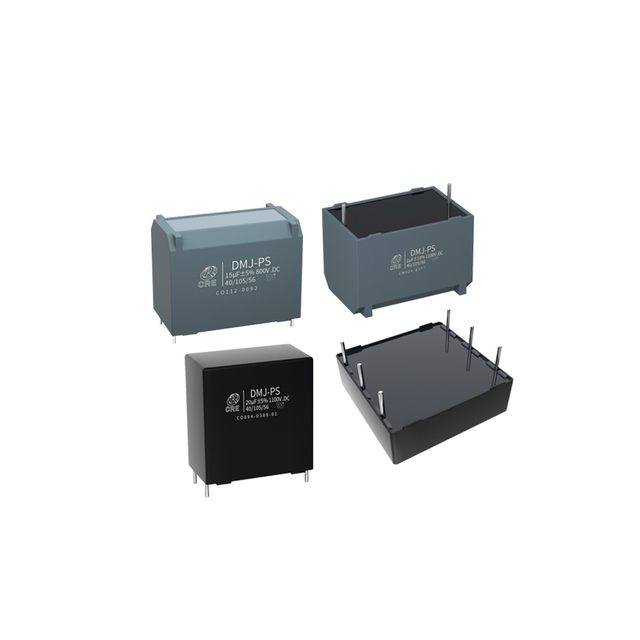
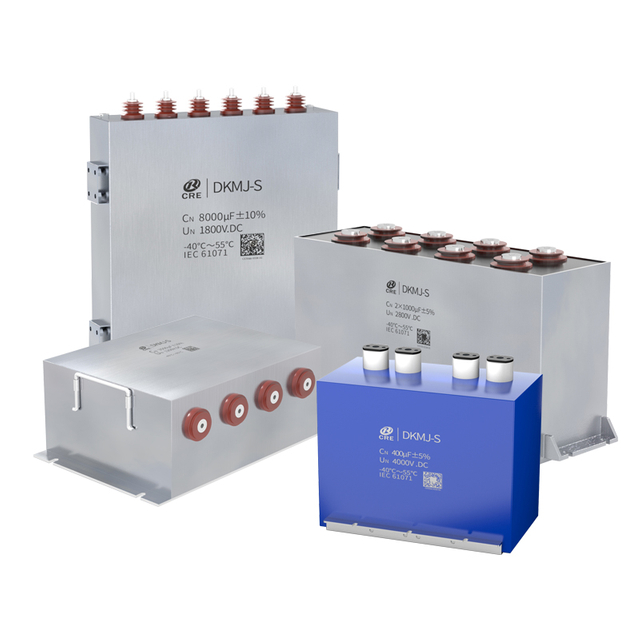
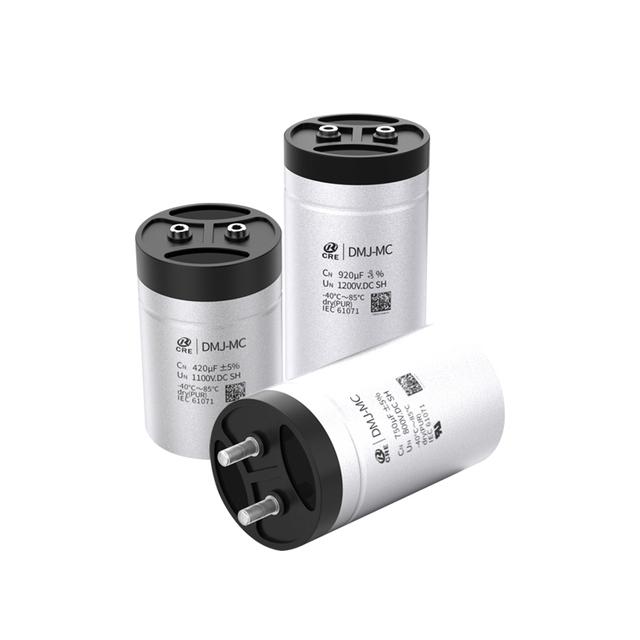
CRE NEW ENERGY has many types of dc link capacitors for electric vehicles. You can pick from models like DMJ-MC, DKMJ-S, DMJ-PS, DKMJ-AP, DMJ-MT, and DMJ-PC. Each dc-link capacitor model has its own special feature. For example, the DMJ-MC uses a round aluminum can. The DKMJ-S has a metal shell. The DMJ-PS comes in a plastic box. The DKMJ-AP is made for electric and hybrid vehicles. The DMJ-MT uses Myra tape to help with heat. The DMJ-PC has a plastic shell to save space.
Tip: Film dc-link capacitors are used a lot in EVs. They are very reliable, last a long time, and work well in tough places.
A dc-link capacitor has many important jobs in your EV’s power system. Here are the main things it does:
Keeps the DC voltage steady.
Takes in ripple current to keep the circuit stable.
Helps balance the load for energy storage devices.
You can see how a dc-link capacitor works with other EV parts in the table below:
Role of DC Link Capacitors | Interaction with Components |
|---|---|
Buffering energy | Works as a buffer between the input and output |
Filtering voltage spikes | Protects parts from voltage jumps and EMI |
Stabilizing DC bus voltage | Makes sure inverters and motor controllers work well |
If you use a dc-link capacitor from CRE NEW ENERGY, you get good reliability and efficiency. These dc link capacitors can handle high ripple currents. They also work well at high temperatures and last for many years. This makes them great for electric vehicles that need strong parts.
Sometimes, your electric vehicle has trouble with voltage changes. These changes happen a lot when you drive fast or charge quickly. Fast changes in traction current make low-frequency magnetic fields in the power network. This causes the voltage to go up and down many times during a trip. If the grid cannot handle big loads, you might see voltage sags or swells. These changes can affect how well your EV works. They can also change how the vehicle is designed to keep you safe.
Note: Voltage fluctuations can cause power quality problems. They may also put stress on your battery and electronics.
Here is a table that lists common power stability challenges in electric vehicles:
Challenge Type | Description |
|---|---|
Voltage Fluctuations | Fast charging at busy places can cause voltage changes if the grid is not ready for bigger loads. |
Harmonics | EV charging can make harmonic distortion, which hurts power quality and can break equipment. |
Voltage Sags and Swells | High charging loads can cause quick voltage drops or rises if the grid is too small. |
Grid Resilience | Bad EV integration can hurt power quality, especially if many cars discharge during outages. |
Peak Load Impact | Many cars charging at once can raise electricity use, so the grid may need upgrades. |
Grid Congestion | Lots of EVs can crowd the grid, making voltage and power quality less stable. |
Power Losses | Charging station efficiency and timing can cause power losses, but smart control systems can help. |
Ripple currents are another problem for your EV. These are small, quick changes in current that ride on steady DC power. Ripple currents can make your battery wear out faster. You might see more heat in your battery pack. The battery may not hold as much charge over time. If ripple currents get too high, the battery’s impedance goes up and you lose efficiency.
Ripple currents can make batteries wear out faster, especially in cold weather.
Quick overcharge or overdischarge can happen while charging, which lowers battery life.
Over time, ripple currents can cut down your EV’s promised mileage.
Here is a table that shows how ripple currents affect your EV:
Key Findings | Description |
|---|---|
Capacity Fade | Higher frequency AC current makes battery capacity drop faster. |
Impedance Rise | Battery impedance goes up with more ripple current. |
Differential Flows | Uneven cell capacity makes different current flows in the battery pack. |
Heat Generation | More heat is made, which can shorten battery life. |
Load balancing means making sure your EV uses power evenly. If charging is random or many cars charge at once, you may see changes in frequency and voltage. These imbalances can cause total harmonic distortion, which affects how your EV and the grid work together.
A study in Sweden looked at over 179,000 charging sessions and found big chances to balance electricity, up to 51.5 kWh daily.
Performance indicators help measure how EV charging affects electricity delivery.
Metric | Description |
|---|---|
Real and Reactive Power Balance | Checks if power is balanced at charging stations. |
Frequency Deviations | Measures how much frequency changes because of random charging. |
Voltage Deviations | Looks at how steady the voltage is when loads are not balanced. |
Total Harmonic Distortion | Shows how much the power system is changed by uneven charging patterns. |
Tip: Smart charging systems using AI and blockchain can help manage demand and keep the grid steady. You get better performance and fewer problems with load balancing.
You want your electric vehicle to work well every time. Dc link capacitors help by keeping voltage steady, even when power changes fast. These capacitors store reactive power and adjust the power factor. They give or take power when needed, so you avoid voltage spikes and dips.
Dc link capacitors act as energy buffers. They keep DC voltage steady and stop voltage ripples in strong inverter designs.
You might see voltage spikes sometimes, but the capacitor helps keep voltage stable.
Picking the right dc-link capacitor makes your vehicle work better and stay reliable.
When you use dc link capacitors, you get steady voltage in your EV’s power system. This helps your motor controller and inverter work well. You also protect sensitive electronics from sudden changes. Keeping DC bus voltage steady is important for safety and long-term stability.
Tip: Dc link capacitors help keep your EV safe from voltage swings. You get smoother rides and fewer electrical problems.
Ripple currents can hurt your battery and make your EV less efficient. Dc-link capacitors soak up these ripple currents from fast switching in inverters. They act like charge tanks and help with big current needs, making your system work better.
Here is a table that shows how dc link capacitors handle ripple currents:
Measurement Type | Description |
|---|---|
Ripple Current (ICrms) | The ripple current the capacitor handles without getting too hot from ESR. |
Ripple Voltage | The voltage change across the capacitor, affected by load current and switching. |
Equivalent Series Resistance (ESR) | Changes how the capacitor works and cools down when there are ripple currents. |
You need to think about load current, duty cycle, switching speed, and temperature when you pick a dc-link capacitor. Ripple current is the total RMS current a capacitor can take without breaking. Dc-link film capacitors handle high ripple currents better than electrolytic ones. They last longer and have more capacitance, which helps your inverter work better.
Dc-link capacitors soak up ripple currents from inverter switching.
They keep voltage and current steady, which helps the inverter work better.
These capacitors smooth out voltage and current spikes, so you get better efficiency.
You want your electric vehicle to last a long time and be dependable. Dc link capacitors make your system more reliable by handling over-voltage and over-current. They can fix themselves and last longer, so your EV can deal with tough electrical problems.
Here is a table that shows how reliability gets better:
Evidence Description | Impact on Reliability |
|---|---|
Self-repair capability and extended lifespan | Makes reliability better in some cases, helping your EV last longer. |
Resistance to over-voltage and over-current situations | Keeps reliability high when electrical conditions are tough. |
Low equivalent series resistance (ESR) and ultra-low inductance (ESL) | Cuts down energy loss and heat, so performance is better in strong power uses. |
Dc link capacitors with low ESR and very low inductance lose less energy and make less heat. You get better performance in strong power uses. These features help your EV stay reliable, even when you drive hard or in tough places. Your power system stays strong and efficient for a long time.
Note: Reliable dc-link capacitors mean fewer breakdowns and lower repair costs for your EV.
You need your electric vehicle to work in many different conditions. DC-link capacitors with high temperature resistance help your EV stay reliable, even when it gets hot. When your car runs, it creates a lot of heat because of high power and ripple currents. If your capacitor can handle this heat, your EV will not lose performance or break down.
High temperature resistance keeps your EV’s electrical system stable.
Capacitors that work well at high temperatures stop failures and keep your car safe.
Good thermal management and strong materials make sure your capacitor lasts longer.
As EV technology grows, you need capacitors that can handle more heat from high-speed igbt or sic mosfet switches. CRE NEW ENERGY designs dc-link capacitors, like the DKMJ-AP, to meet these needs. These models use advanced cooling and materials to keep your EV running smoothly.
You want your EV to be efficient and quiet. Low ESR (Equivalent Series Resistance) in dc-link capacitors helps you reach this goal. When a capacitor has low ESR, it can quickly give or take charge. This means less energy is lost as heat, and your system stays cool.
Low ESR reduces high frequency noise and makes filtering better.
If ESR is too high, you get more ripple and less control over your power system.
A typical dc-link capacitor can have an ESR as low as 0.7 mOhm at 12 kHz.
Low esr reduces heat generation, which helps your EV handle high ripple current handling. CRE NEW ENERGY focuses on low ESR designs, so your EV can work better and last longer.
You want your EV parts to last for years. Dc-link capacitors with long life help your car stay on the road. These capacitors can work for thousands of hours, even at high temperatures. For example, some models can last 4,000 hours at 125°C and 1,000 hours at 135°C.
Long life means fewer repairs and lower costs for you.
High voltage tolerance and strong design make these capacitors durable.
CRE NEW ENERGY uses space-saving designs, so you get more power in a smaller package.
When you choose a dc-link capacitor from CRE NEW ENERGY, you get a product built for the tough demands of electric vehicles. Models like DKMJ-AP are made for EV and HEV use, giving you the reliability and performance you need.
When you pick a DC link capacitor for your electric vehicle, you need to check some important things. These things help you find the best one for your car’s power system. Here are the main things you should look at:
Nominal capacitance tells you how much energy the capacitor can hold. Some keep this amount steady, but others change with ripple current.
Temperature range shows if the capacitor works well in hot or cold weather. You want one that fits where you drive.
DC and AC ripple voltages show if your power stays steady during fast charging or heavy use.
Cooling methods are important if your EV gets hot. Some capacitors use special cooling to stay safe.
Ripple current and frequency tell you how much current the capacitor can take. You need to know if your car uses steady or changing currents.
Mounting and lead configuration help you fit the capacitor into your car’s design.
Tip: CRE NEW ENERGY has capacitor solutions that meet these important things. This helps your EV work well and last a long time.
You want your DC link capacitor to fit your car’s needs. Here are some tips to help you choose the right one:
Check the voltage rating. The capacitor must match your battery voltage and handle the highest current safely.
Look at current capacity. The capacitor should handle ripple current and keep it below 10% of your battery’s rated current.
Think about form factor. The shape and terminal design help the capacitor fit and work in high-frequency systems.
Pick capacitors with low inductance and low ESR. These stop overheating and help your EV work better.
Choose plastic film dielectrics, like polypropylene. This gives you low ESR and strong dielectric strength.
Use electromagnetic and thermal simulation when you design your system. This helps you find the best capacitor for your needs.
Try metallized polypropylene film for better performance and longer life.
Make sure the dielectric material fits your EV’s needs. The right material helps your EV stay stable and last longer.
Pick capacitors with the right voltage rating and temperature range. This keeps your EV safe and reliable.
Selection Factor | Why It Matters |
|---|---|
Voltage Rating | Matches battery voltage for safe operation |
Current Capacity | Handles ripple current, protects battery |
Form Factor | Fits design, reduces stray inductance |
Dielectric Material | Affects performance and lifespan |
ESR and Inductance | Low values prevent heat and energy loss |
You can trust CRE NEW ENERGY to give you capacitor solutions that follow these tips. Their products help your electric vehicle work its best.
You can make your electric vehicle work better with dc link capacitors. These parts help keep voltage steady and cut down energy loss. They also help with regenerative braking in your car. Experts say to use new materials and smart digital tools for even better results. In the future, capacitors will get smaller and stronger with better ways to handle heat. If you want your EV to be the best, check out CRE NEW ENERGY’s solutions for strong power stability.