- All
- Product Name
- Product Keyword
- Product Model
- Product Summary
- Product Description
- Multi Field Search
Views: 0 Author: Site Editor Publish Time: 2025-10-09 Origin: Site
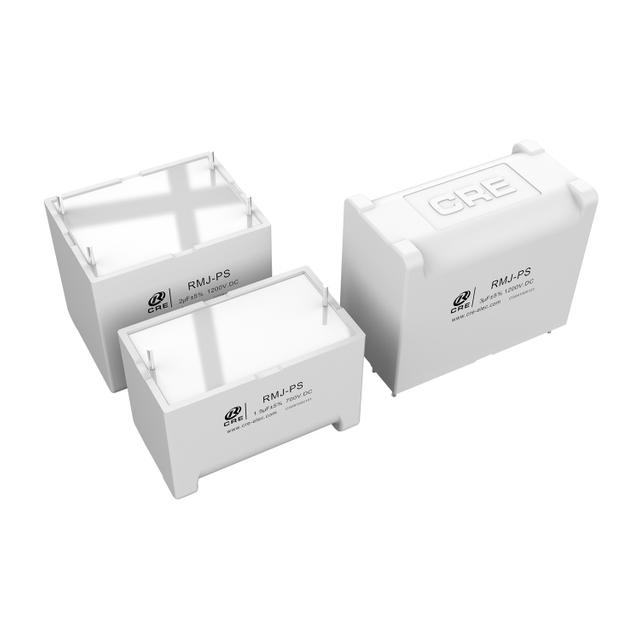
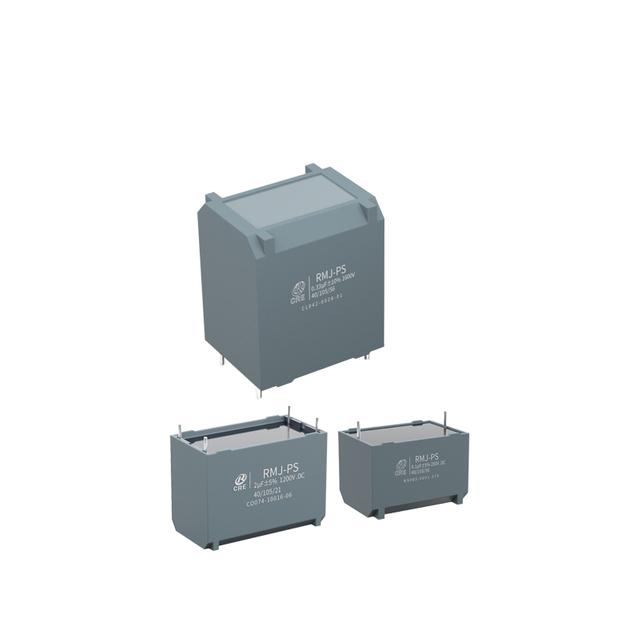
Choosing the right resonance capacitor for your industrial circuit means matching its electrical features to your needs. This careful choice affects how reliable and efficient your power conversion is. It also changes how well your converter works. For example, the RMJ-PS Plastic Box Resonance/Snubber Capacitor from CRE has advanced features. These are found in common types of capacitor. It has low effective series resistance and high thermal stability. The table below shows why this match is important:
Aspect | Description |
|---|---|
Capacitive Reactance | Cancels out inductive reactance. This helps system power usage. |
Energy Loss Reduction | Lowers energy loss. This makes efficiency better. |
Reliability Enhancement | Stabilizes voltage and filters noise. This helps reliability. |
You may face problems like picking the right voltage and capacitance ratings. You also need to handle heat and make sure it works well for a long time.
Pick the right capacitance and voltage ratings so your capacitor works well and does not break.
Find capacitors with low Equivalent Series Resistance (ESR) and Equivalent Series Inductance (ESL) to make your circuit work better and waste less energy.
Think about where the capacitor will be used and choose ones that can handle heat, water, and shaking so they last longer.
Always make sure the capacitor is good and reliable by buying from brands you trust so you do not have to stop work for repairs.
Use both resonance and decoupling capacitors in your design to help your circuit stay steady and work better.
A resonance capacitor helps control energy in fast circuits. It can store and release energy very quickly. This makes your system work better. In factories, resonance capacitors let high-frequency AC current move through. Real capacitors act like they have some resistance and inductance. You should look at two main things: Equivalent Series Resistance (ESR) and Equivalent Series Inductance (ESL). ESR tells you how much energy is lost. You want ESR to be as low as possible. ESL changes how the capacitor works when the frequency is high. Sometimes, this can cause resonance. Multilayer ceramic chip capacitors are used a lot. They have low ESR and ESL. This makes them good for these jobs.
Tip: Always check the ESR and ESL numbers when picking a resonance capacitor. Lower numbers mean it will work better in fast circuits.
Resonance capacitors are not the same as other types. They work well when the frequency is high and help cut down noise. At resonance, they have very little impedance. Other capacitors may not work as well in these situations.
Feature | Resonance Capacitors | Other Capacitors |
|---|---|---|
Self-Resonant Frequency | Signals pass easily, less noise | Might not work well at high speeds |
High-Frequency Applications | Great for power and radio uses | Not as good for fast circuits |
Impedance Characteristics | Very low impedance at resonance | Impedance can be higher sometimes |
You can find resonance capacitors in many factory machines. They are important in telecommunications. They help clean and steady signals. Power systems use them to keep voltage steady and store energy. Medical machines need them for careful signal work and energy control. These jobs need capacitors that can handle lots of power and switch on and off often.
New products like the RMJ-PS Plastic Box Resonance/Snubber Capacitor have special features. They are very reliable and work well, which is needed in tough places. These capacitors are used in DC-Link circuits, snubber jobs, and energy storage. Bypassing capacitors are also used to stop noise and keep voltage steady in sensitive machines.
As technology gets better, new needs for resonance capacitors appear. Electric cars and green energy systems need parts that work well in hard conditions. Fast operation, small size, and saving energy are important for new capacitor designs.
Electric cars need more efficient and powerful capacitors.
Green energy systems need steady performance.
High-frequency resonance capacitors help with wireless charging and fast charging.
When you pick a capacitor for your factory machine, you need a simple plan. Follow these steps to make sure your choice is right and works well:
Determine Capacitance Value (pF): Find out the exact capacitance your circuit needs. This number tells how your resonance capacitor handles energy and works with other parts, like coupling capacitors in resonant dc/dc converters.
Check Voltage Rating (V): Make sure the capacitor can take the highest voltage in your circuit. If you use one with a lower rating, it might break or stop working.
Select Capacitor Type: Pick from types like plastic box or film. For example, the RMJ-PS Plastic Box Resonance/Snubber Capacitor is strong and keeps out water, which is good for factories.
Assess Temperature Stability: Look at the temperature range it can handle. If it gets too hot, the inside can get damaged and not last as long.
Review Tolerance: Choose a capacitor with the right tolerance for your needs. A tight tolerance helps your circuit work better in dc/dc converters and fast circuits.
Evaluate Frequency Response: Check if the capacitor works well at the needed frequency. This is important for resonant dc/dc converters that run fast.
Consider Size and Package: Make sure the size and shape fit where you want to put it. Plastic box types are often stronger and keep their shape better.
Check Reliability and Quality: Buy from brands you trust. Products like RMJ-PS are tested a lot to make sure they last a long time.
Tip: Always pick the right type for your job. Plastic box capacitors are better at stopping water and handling bumps than dipped film types.
You should look at some main features when picking a capacitor for factory use. These things change how well your capacitor works in fast and high-power places, like dc/dc converters and coupling capacitors.
Specification | Description |
|---|---|
Low ESR and ESL | Cuts down power loss and heat, so it works well at high speeds. |
High SRF | Keeps the capacitor working right at the needed frequency by acting like a resistor. |
High Ripple Current Handling | Helps the capacitor stay strong and work well when currents change a lot. |
Temperature Stability | Makes sure it works the same even when it gets hotter or colder, which is important for RF circuits. |
Minimal Dielectric Loss | Makes it more efficient and stops signals from getting weaker in fast circuits. |
Dissipation Factor | Shows how much energy turns into heat. A lower number means it wastes less energy. |
Note: Always check the dissipation factor. If it is low, your capacitor will waste less energy and stay cooler.
Factory places can be tough. When you pick a capacitor, think about shaking, heat, and how it is built. These things change how long your resonance capacitor will last.
Factor | Description |
|---|---|
Vibration Resistance | Capacitors need to be built strong to handle shaking all the time. |
Operating Environment | Think about how much and how often things shake in your area. |
Construction Techniques | Look for big solder pads and thick bases to help stop shaking from causing problems. |
Capacitors have a top temperature they can handle. If it gets too hot, it can break and the inside can get damaged, especially in coupling capacitors.
Electrolytic capacitors can dry out or leak if they get too hot, and then they stop working.
Keeping out water is very important. Plastic box capacitors, like RMJ-PS, work better in wet or outside places than dipped film types.
The size and strength matter. Plastic box types are easier to keep the same size and do not crack as easily.
Practical Tip: Harmonics can make capacitors work too hard and not last as long. Always check for harmonic currents and watch the main load of capacitor banks. Do regular check-ups to stop losing capacitance and having problems.
Common Mistake: Not looking at dissipation factor and temperature ratings can make capacitors fail early. Always check these things when you pick a capacitor.
Factories use high-voltage systems a lot. These systems need parts that can handle stress and stay safe. When you pick a resonance capacitor, think about how well it works and how safe it is. Always choose capacitors from the same batch. This helps stop problems from tolerance differences. You should add balancing resistors, too. Figure out the value based on how much leakage you expect.
Do not use your capacitor at its highest voltage. Lower the voltage to keep things safe. Watch the temperature and leakage all the time. Good airflow stops overheating and thermal runaway. Use fuses or varistors to protect against failure.
The way the capacitor is made matters. The dielectric material and plate setup change how reliable and costly it is. Better capacitors cost more, especially if they have more capacitance. Bigger sizes can make your design harder and more expensive.
Note: Buying good capacitors saves money later. You will have less downtime and fewer repairs.
Resonant capacitors work in tough places. They are used in DC-Link circuits, snubber jobs, and energy storage. These jobs need parts with low equivalent series resistance, low loss, and high voltage strength. The table below shows how these features help:
Characteristic | Description |
|---|---|
Low Equivalent Series Resistance | Makes high-frequency circuits work better. |
Low Loss Characteristics | Helps energy move without wasting much. |
High Voltage and Current Handling | Keeps things steady and safe when conditions are hard. |
CRE NEW ENERGY PTE. LTD. makes many kinds of capacitors for these needs. Their products have high capacitance density, strong current ability, and good safety features. Here is a comparison:
Feature | CRE NEW ENERGY PTE. LTD. | Other Brands |
|---|---|---|
Capacitance Density | High | Changes |
Current Capability | High | Changes |
Equivalent Series Resistance | Low | Higher |
Safety Features | Strong | Changes |
Life Expectancy | Long | Changes |
Voltage Rating | High | Changes |
Ripple Current Capability | High | Lower |
You see resonance capacitors in real machines like radio transmitters and signal systems. They are also in induction heating machines, oscillator circuits, and voltage magnification setups. These examples show why picking the right capacitor is important for safe and efficient work.
When picking a resonance capacitor, look at these main things:
Criteria | Description |
|---|---|
Type of Application | Make sure the capacitor fits your factory job. |
Operating Environment | Check if it can handle heat, wetness, and chemicals. |
Vibration Characteristics | Find out how much shaking and movement it will face. |
Construction Features | Pick strong designs to help it last through shaking. |
Ask experts for help with tricky circuits.
They can help you look at the details and pick the right kind.
New products like the RMJ-PS work really well for tough jobs.