
- All
- Product Name
- Product Keyword
- Product Model
- Product Summary
- Product Description
- Multi Field Search
Views: 0 Author: Site Editor Publish Time: 2025-11-07 Origin: Site
In power electronics and electrical engineering, snubber capacitors are essential components used to protect sensitive components from voltage spikes, overvoltage conditions, and high-frequency noise. They play a critical role in ensuring the reliability and longevity of power systems by reducing the risk of failure due to electrical transients. This comprehensive guide explores the functionality, importance, and selection process of snubber capacitors in various applications.
Snubber capacitors are specialized components that are typically used in conjunction with resistors to suppress electrical noise and prevent unwanted voltage spikes. They are commonly found in circuits where voltage and current transients can occur, such as in power switches, electric vehicles, renewable energy systems, and other high-frequency applications.
In simple terms, a snubber capacitor absorbs or dissipates excess energy that can be harmful to circuit components, especially during switching events. This process is crucial in reducing the likelihood of component failure and improving overall system performance.
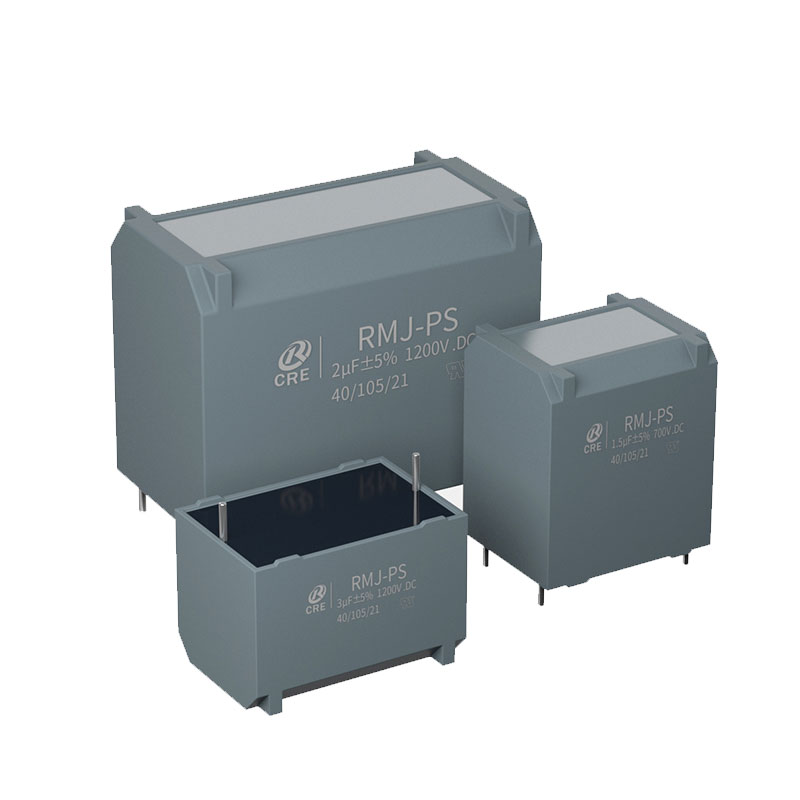
Snubber capacitors are available in several forms, each designed for specific applications and requirements. The key types include:
RC snubber capacitors consist of a resistor and a capacitor connected in series. They are designed to suppress high-voltage transients and limit the rate of change in current during switching. These are commonly used in power electronic circuits and motor control systems.
An RCD snubber is similar to the RC snubber but includes a diode in the circuit. The diode in the RCD configuration helps to block reverse voltage transients and provides more effective protection in certain applications, such as in high-voltage resonance circuits.
These capacitors incorporate Zener diodes to limit the peak voltage. Zener diode snubber capacitors are ideal for applications where voltage clamping is necessary, as they provide excellent protection against high-voltage spikes.
MOV snubbers utilize metal oxide varistors to absorb transient voltages and protect sensitive components. These are particularly useful in circuits where voltage spikes are common, such as in electric vehicles, renewable energy systems, and rail traction systems.
Snubber capacitors are integral to a wide range of applications where high-voltage transients and spikes are a concern. Some of the most common areas of application include:
In electric vehicles (EVs) and hybrid electric vehicles (HEVs), snubber capacitors are used to protect power electronics, such as inverters and DC-DC converters, from voltage surges. Snubber capacitors help ensure the smooth operation of these components, preventing damage due to switching events or electrical noise.
Snubber capacitors play an important role in solar power and wind power systems. They help manage the power conversion processes, smoothing out transient voltages and ensuring efficient energy transfer from the energy source to the grid or storage systems.
In power transmission and distribution systems, snubber capacitors protect sensitive electrical equipment like transformers and circuit breakers. By suppressing voltage surges and controlling switching events, snubbers ensure system stability and reliability.
For rail traction applications, snubber capacitors are used to suppress the high-frequency noise that results from the switching operations of traction inverters. This helps to maintain the longevity of the components and improve the overall efficiency of the system.
In medical electronics, snubber capacitors help protect sensitive equipment like defibrillators and imaging systems. By ensuring the stability of the power supply and preventing voltage spikes, snubber capacitors contribute to the safe operation of critical healthcare devices.
The primary function of snubber capacitors is to absorb and dissipate excess energy during switching events. When a switch is turned off, a voltage spike can occur due to the inductive nature of the circuit. This sudden voltage change can damage sensitive components, such as power transistors or diodes.
A snubber capacitor works by providing a temporary path for this excess energy. The capacitor absorbs the transient voltage, reducing the peak voltage that reaches the components. In this way, snubber capacitors help to prevent damage, improve system reliability, and extend the lifespan of the electronic components in the circuit.
Choosing the right snubber capacitor for a specific application requires understanding the operational conditions and the type of protection required. Here are the key factors to consider when selecting a snubber capacitor:
The voltage rating of the capacitor should be higher than the maximum voltage the circuit will experience. Snubber capacitors must be able to withstand voltage transients without breaking down.
The capacitance value determines the ability of the snubber to absorb transient energy. Too low of a capacitance may not provide adequate protection, while too high may result in slow response times and excessive energy dissipation.
The snubber must be able to handle the peak current that occurs during switching events without overheating or failing. This is especially important in high-current applications like electric vehicles or industrial motor drives.
In space-constrained applications, the physical size of the snubber capacitor may be an important consideration. It's essential to select a capacitor with a form factor that fits the application while still providing the necessary protection.
The temperature range of the snubber capacitor should match the environmental conditions where it will operate. Some snubber capacitors are designed to perform well at high temperatures, while others may be more suited for lower temperatures.
Choosing between RC, RCD, or MOV snubbers depends on the specific needs of the circuit. RC snubbers are often suitable for general-purpose applications, while RCD and MOV snubbers may be necessary for higher-voltage or more demanding environments.
Snubber capacitors are often compared to other protective components like fuses, surge suppressors, and varistors. However, snubber capacitors offer unique advantages when it comes to managing high-frequency transients and switching noise. Here's a comparison:
| Component Type | Key Function | Best Use Case |
|---|---|---|
| Snubber Capacitors | Absorbs transient energy during switching | Power electronics, motor control, medical devices |
| Fuses | Protects against overcurrent | Short-circuit protection |
| Surge Suppressors | Absorbs large voltage spikes | Lightning strikes, power line transients |
| Varistors | Absorbs voltage spikes and clamping | Protects against overvoltage conditions |
While snubber capacitors are designed to provide protection, they can still face issues if not correctly chosen or maintained. Some of the most common problems include:
Overheating: If the capacitor is not selected with the appropriate current and voltage ratings, it may overheat, leading to premature failure.
Capacitance degradation: Over time, the capacitance of the snubber may decrease due to repeated stress from transient voltages.
Incorrect sizing: If the snubber capacitor is too small or too large, it may not offer optimal protection for the system.
A snubber capacitor’s primary function is to absorb and dissipate excess energy generated during switching events, thereby protecting sensitive components from voltage spikes and transients.
Yes, snubber capacitors can be used in high-voltage systems, but it’s essential to select a capacitor with a voltage rating higher than the maximum voltage that the system will experience.
The right snubber capacitor should be selected based on factors such as voltage rating, capacitance value, current handling capacity, temperature range, and the specific type of snubber configuration (RC, RCD, or MOV).
In conclusion, snubber capacitors are vital components for protecting electrical circuits from voltage transients and high-frequency noise. Understanding their functionality, types, and selection criteria is crucial for ensuring the stability and longevity of power systems, especially in demanding applications such as electric vehicles, renewable energy systems, and rail traction. CRE New Energy, with its innovative capacitor solutions, supports industries with high-performance capacitors that meet global standards, ensuring efficiency, reliability, and sustainability in power electronics applications.


