
- All
- Product Name
- Product Keyword
- Product Model
- Product Summary
- Product Description
- Multi Field Search
Views: 0 Author: Site Editor Publish Time: 2026-03-18 Origin: Site
Stable power quality is crucial for ensuring the reliability and efficiency of modern electrical systems. Power disturbances like noise, voltage ripple, and harmonic distortion can impact the performance of sensitive equipment. AC Filter Capacitors help stabilize these conditions, making them essential in various power electronics applications. In this article, we will explore how AC Filter Capacitors enhance power quality in systems such as inverters, wind power, photovoltaic, and UPS.
Power quality issues, such as electrical noise, voltage ripple, and harmonic distortion, are common in modern AC equipment. These problems can affect the performance of inverters, UPS systems, and power electronics in renewable energy and industrial applications.
High-frequency noise often comes from switching electronics in devices like inverters and UPS systems, as well as external sources like motors and wireless devices. These sources generate electromagnetic interference (EMI), which can disrupt equipment performance.
EMI can degrade signal integrity and cause equipment malfunctions, especially in sensitive systems like medical devices or industrial controls. Long-term exposure can lead to premature component failure.
Voltage ripple occurs during AC-to-DC and DC-to-AC conversion, especially in inverters and power supplies. It results from incomplete filtering and can cause instability in the output voltage.
Ripple affects the performance of UPS systems and inverters, reducing efficiency, causing unstable operations, and stressing components like capacitors and inductors, leading to premature wear.
Table: Effects of Voltage Ripple
Equipment | Effect of Ripple |
Inverters | Loss of efficiency, unstable output |
UPS Systems | Unstable power delivery, potential downtime |
Power Supplies | Increased wear on capacitors, reduced lifespan |
Nonlinear loads, like inverters and variable frequency drives (VFDs), generate harmonic distortion by drawing current in pulses. This leads to high-frequency harmonics that affect system performance.
Harmonics reduce system efficiency, cause voltage instability, and increase heating in components like transformers and motors, leading to shorter lifespans and higher maintenance costs.
AC filter capacitors play a critical role in enhancing the quality of power in various electrical systems. By addressing common power issues such as high-frequency noise, voltage ripple, harmonic distortion, and reactive power, these capacitors ensure the stable operation of devices across a wide range of applications, from inverters to UPS and renewable energy systems.
In power systems, high-frequency noise is often caused by switching components like MOSFETs and IGBTs, which generate electromagnetic interference (EMI). AC filter capacitors are designed to provide a low-impedance path, allowing high-frequency noise to be directed to the ground, effectively suppressing unwanted signals.
● Inverters and UPS systems rely on this capability to maintain stable operation by filtering out high-frequency components.
● These capacitors help reduce electrical noise that may interfere with communication signals and sensitive equipment like medical devices, ensuring optimal performance in critical environments.
By absorbing the high-frequency energy and providing a smooth power flow, AC filter capacitors contribute to improved signal clarity and device performance. In ac circuits, this reduction in electrical noise enhances:
● Signal integrity: Preventing distortion of data or signals in control systems.
● Equipment reliability: Protecting sensitive components from degradation caused by prolonged exposure to noise.
AC filter capacitors act as energy reservoirs that store and release electrical energy to smooth out fluctuations in voltage. During AC-to-DC or DC-to-AC conversion, capacitors absorb the ripple caused by switching actions and voltage spikes, storing energy during periods of high voltage and discharging it when the voltage drops.
● In inverter power stages, UPS systems, and renewable energy converters, this action helps maintain a constant output voltage, preventing abrupt changes that could disrupt device operation.
Voltage ripple can cause significant problems in electronic systems by leading to:
● Power instability: Frequent fluctuations can cause equipment to malfunction or lose efficiency.
● Component stress: Long-term ripple exposure leads to overheating of sensitive components like capacitors and inductors, shortening their lifespan.
By reducing these fluctuations, AC filter capacitors contribute directly to more stable and reliable power delivery, ensuring the longevity and efficiency of the system.
Table: Impact of Capacitors on Voltage Ripple in Power Systems
Equipment/Systems | Effect of Ripple Reduction |
Inverters | Smoother output, reduces operational instability |
UPS Systems | Ensures consistent backup power supply |
Renewable Energy Systems | Increases conversion efficiency, stabilizes grid connection |
In modern inverters, VFDs, and renewable energy systems, harmonics are often generated due to nonlinear loads. AC filter capacitors, when used in conjunction with inductors, form effective harmonic filtering networks. These filters block unwanted high-frequency components and smooth out the waveform, allowing only the desired frequency to pass.
● Inverter systems often require high-quality harmonic filters to ensure a clean output signal that is compatible with the power grid.
● Wind power and solar power systems also benefit from this, as these systems frequently operate under dynamic load conditions, generating harmonics that can degrade overall system efficiency.
Harmonics can severely impact waveform quality, leading to:
● Power loss: Harmonics reduce overall energy efficiency, causing additional losses in transformers and other components.
● Voltage instability: Distorted waveforms lead to irregular voltage, which can disrupt sensitive electronics.
By improving waveform quality, AC filter capacitors ensure that power systems remain efficient, stable, and compliant with grid requirements.
In AC power systems, especially those involving motors, industrial machinery, and inverters, reactive power can become a major issue. Reactive power does not perform useful work but still consumes system capacity, leading to inefficiencies. Capacitors play a vital role in managing this power by compensating for reactive loads, effectively improving power factor.
● In UPS systems, inverter circuits, and wind power installations, capacitors help balance the voltage and current by supplying reactive power locally, reducing the need for excessive transmission losses.
● This results in improved efficiency and reduced operational costs.
By improving power factor, AC filter capacitors contribute to:
● Enhanced system efficiency: Reducing losses in distribution lines and transformers.
● Stable operation: Ensuring consistent voltage and current, which prevents overheating and damage in power components.
Table: Effects of Capacitors on Reactive Power Management
System/Equipment | Impact of Capacitors on Reactive Power |
Industrial Motors | Improved efficiency, reduced power losses |
Inverters | Reduced load on the grid, improved energy conversion |
Wind Power & Photovoltaic | Stable voltage output, minimized system stresses |
AC filter capacitors are essential components in various systems where power quality is crucial for stable operation. Their role in systems such as renewable energy setups, inverters, and UPS systems is indispensable for ensuring optimal performance and energy efficiency.
AC filter capacitors play a vital role in stabilizing the power output in renewable energy systems such as wind power and photovoltaic (solar) inverters. These systems, which convert natural energy into usable electricity, often suffer from voltage fluctuations, harmonic distortion, and power quality issues due to the dynamic nature of their energy sources.
In wind power systems, for instance, turbines generate fluctuating power due to wind speed variations, which can cause voltage instability and harm to connected equipment. Photovoltaic inverters also face similar challenges, where the DC power from solar panels is converted to AC, and without proper filtering, this conversion can introduce ripple and harmonics.
Key Functions:
● Stabilize AC output: By smoothing out power fluctuations, ensuring continuous and reliable energy delivery to the grid or load.
● Reduce harmonics: Harmonics caused by rapid switching in power conversion are filtered out, ensuring cleaner power with minimal distortion.
In inverters and other power conversion equipment, AC filter capacitors are employed to tackle issues that arise due to high-speed switching. Power electronics such as MOSFETs and IGBTs, commonly used in these systems, create significant noise and voltage ripples during the conversion process.
Role of AC Filter Capacitors:
● Switching disturbances: Inverters are susceptible to EMI (electromagnetic interference) and high-frequency noise generated during switching. Capacitors help in suppressing this noise and ensuring the stability of the output.
● Voltage smoothing: AC filter capacitors store and release energy to reduce ripple and fluctuations in the voltage, providing a smooth and stable DC or AC output.
For systems handling high-frequency switching (such as those in inverter-based setups for solar or wind power), capacitor selection is crucial to ensure effective noise filtering and reliable performance.
In UPS (Uninterruptible Power Supply) and backup power systems, AC filter capacitors are essential for maintaining power quality during transitions between primary and backup power sources. During these transitions, especially when power is interrupted and switched to backup, voltage fluctuations and noise can occur.
Functions in UPS Systems:
● Maintain stable power delivery: The capacitors smooth out voltage spikes and reduce ripple, preventing power instability during the transfer to backup power.
● Enhance reliability: Ensuring clean power during the switchover helps protect sensitive electronic devices connected to the UPS, such as computers, medical devices, and industrial equipment.
AC filter capacitors need to be carefully selected and integrated into AC circuit designs to ensure they meet the specific requirements of each system. Key considerations include the electrical parameters, environmental conditions, and installation layout.
When designing AC circuits, several electrical parameters determine the choice of capacitors, ensuring they perform optimally within the system's specifications.
● Capacitance value: This determines the amount of energy a capacitor can store and release to smooth voltage fluctuations. A higher capacitance is required for larger voltage ripples and higher power systems, such as UPS and renewable energy inverters.
● Rated voltage: The capacitor’s rated voltage must be suitable for the maximum voltage in the circuit. Over-voltage could lead to premature failure or reduced performance.
● Ripple current capability: The capacitor’s ability to handle ripple currents is essential, especially in inverters and power conversion systems that deal with rapid voltage changes.
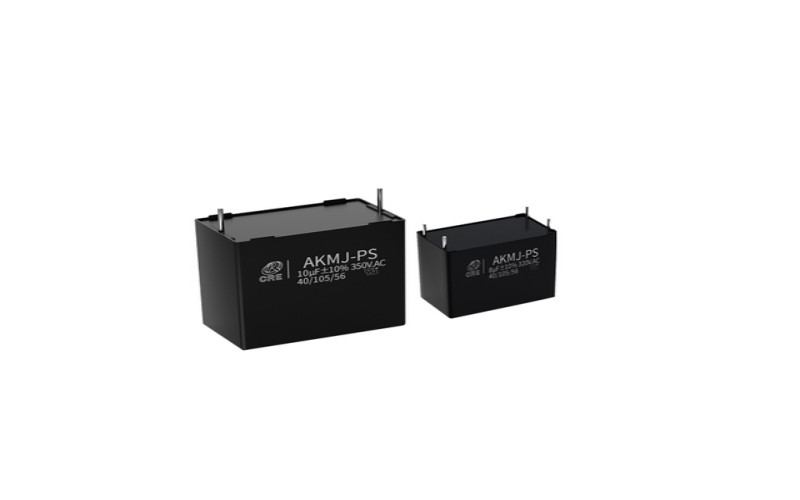
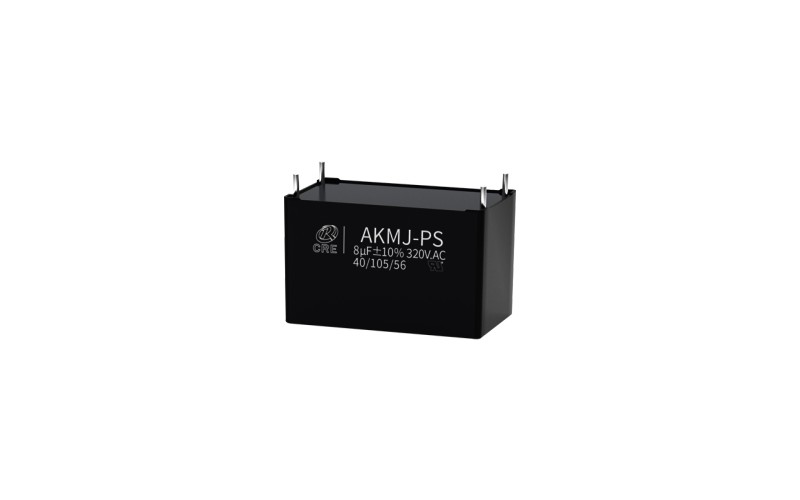
CRE New Energy PTE. LTD offers a range of capacitor series tailored for these needs. Their capacitors, specifically designed for inverter, UPS, wind power, photovoltaic, and AC circuits, offer varied capacitance values and voltage ratings to accommodate different applications.
Capacitor Series | Capacitance Range | Rated Voltage | Applications |
AKMJ-MC | 3×17μF ~ 3×500μF | 400V ~ 1200V AC | Inverter, AC Circuits |
AKMJ-S | 3×40μF ~ 3×500μF | 450V ~ 1140V AC | UPS, High-Power Inverters |
AKMJ-PS | 0.33μF ~ 60μF | 180V ~ 750V AC | Power Conversion, AC Circuits |
SMJ-MC | 0.1μF ~ 10μF | 1000V ~ 3400V AC | Wind Power, Photovoltaic |
Capacitors perform differently under various environmental conditions. The operating temperature range is one of the most significant factors affecting a capacitor's longevity and performance. Extreme temperatures can cause the dielectric material inside capacitors to degrade, leading to decreased efficiency and reliability.
● Wide operating temperature range: Some capacitor series are designed to work in extreme temperatures, such as AKMJ-PS series that operate from -40°C to 105°C, making them suitable for harsh environments like outdoor wind power systems.
● Humidity and other factors: Environmental conditions like humidity can also affect capacitor performance, particularly in systems exposed to the elements, like solar power converters.
● Consider capacitors with flame-retardant materials for harsh or outdoor environments (e.g., UL94V-0 material).
● Choose capacitors designed for extreme temperatures when deploying in remote or high-stress applications such as wind turbines and solar panels.
The layout and connection method of capacitors within a circuit can affect their filtering efficiency. Capacitors can be connected in different ways:
● Parallel connection: Often used to smooth out voltage fluctuations by increasing capacitance in the circuit.
● Series connection: Used for higher voltage ratings and filtering of specific frequencies.
● Inverter and UPS design: Proper placement of AC filter capacitors in the power flow path can ensure the effective suppression of switching noise and voltage ripple.
● System design: The overall layout should account for thermal management, ensuring that capacitors are not exposed to excessive heat, which could impact their performance over time.
AC Filter Capacitors are essential for stabilizing the operation of AC equipment by reducing electrical noise, smoothing voltage fluctuations, and controlling harmonic distortion. These functions are crucial in systems like inverters, UPS units, wind power converters, photovoltaic installations, and industrial AC circuits. CRE New Energy PTE. LTD provides high-performance capacitors designed to enhance power quality and ensure reliable operation in various applications.
A: AC Filter Capacitors are used to reduce electrical noise, smooth voltage fluctuations, and improve power quality in AC systems. They are essential in applications like inverters, UPS systems, and renewable energy converters.
A: AC Filter Capacitors enhance system performance by stabilizing voltage output, minimizing ripple, and reducing harmonic distortion. This ensures more reliable operation in power electronics, such as inverters and UPS systems.
A: AC Filter Capacitors are widely used in industries such as renewable energy, automotive, and industrial automation, particularly in wind power, photovoltaic systems, and inverter-based equipment.


